Pioneering Aerial Versatility: Why the TP200's Maiden Flight Marks a New Benchmark for Civil Unmanned Systems
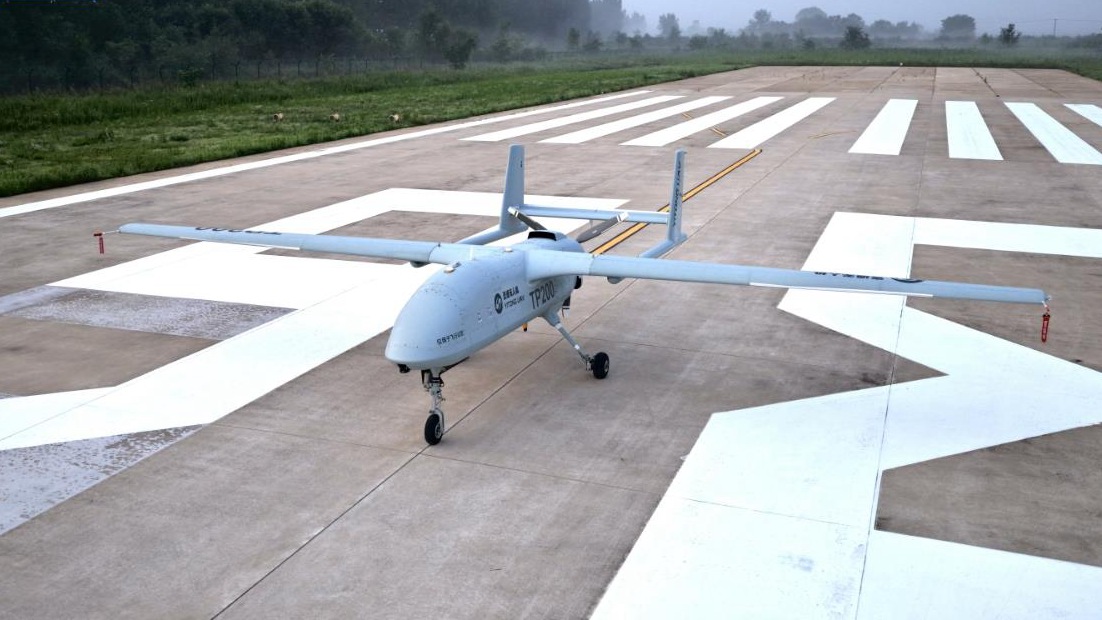
The successful maiden flight of the TP200—China's first airworthiness-compliant, versatile long-endurance unmanned aerial vehicle (UAV)—in Yantai City, Shandong Province, marks a major milestone in the commercialization and certification of advanced aerospace technology. Developed independently by Yi-Tong UAV System Co., Ltd., the aircraft completed a flawless test flight with all climb altitudes, cruising speeds, and attitude parameters strictly meeting design specifications. As reported by outlets like People's Daily, achieving formal airworthiness compliance represents a crucial structural leap, transitioning large UAV platforms from specialized military and experimental niches into broadly regulated commercial and governmental service.
Examining the technical specifications and operational economics of the TP200 reveals a design engineered to solve longstanding industry pain points such as low equipment reuse rates, narrow operational versatility, and prohibitive maintenance overhead. Featuring a robust modular, multi-configuration architecture, the aircraft delivers a full-load endurance exceeding 24 hours, allowing operators to rapidly hot-swap payloads to fit dynamic mission profiles. This high degree of adaptability drastically cuts procurement and lifecycle operating costs by up to 35% compared to single-purpose fleets. The platform's expansive operational envelope covers long-range maritime patrols, offshore search and rescue, meteorological observation, weather modification, forest fire prevention, and precision emergency supply delivery to remote mountainous terrain or isolated island communities.
Looking ahead, the commercial deployment of airworthiness-compliant platforms like the TP200 is poised to reshape low-altitude economic development across domestic and international markets, particularly in geography-diverse regions like Southeast Asia. By integrating advanced satellite communications, automated flight control, and standardized payload interfaces, civil drone networks can achieve mission reliability rates exceeding 99%. As regulatory frameworks catch up with hardware innovation, versatile long-endurance UAVs will become indispensable assets for disaster mitigation, environmental monitoring, and infrastructural logistics, driving unprecedented efficiency and safety across the global civil aviation sector.
News source: https://peoplesdaily.pdnews.cn/china/er/30052771332